Long and Short: A Beginner's Guide to Crypto Futures

In crypto futures you don't have to buy in order to profit. You can bet on the price going up (long) or going down (short). These two terms come up in every conversation about derivatives, and understanding them is essential to trading safely.
Long: betting on a rise
Opening a long means buying the contract expecting the price to rise. If the coin goes from $100 to $110, a $1,000 long position gains about $100 (10%), before fees. If it falls to $90, it loses the same amount.
Short: betting on a fall
Opening a short means selling the contract expecting the price to fall. If the coin goes from $100 to $90, a $1,000 short gains about $100. If it rises to $110, it loses the same amount.
Shorting is possible because, in the futures market, you don't need to own the coin: the contract is just an agreement on the price change.
Long and short at the same time: the hedge
When you open a long on one exchange and a short of the same size on another, the gain on one leg cancels out the loss on the other. The total position becomes almost indifferent to the price of the coin. This is called a hedge, or a neutral position.
It's the foundation of funding arbitrage and of other strategies that aim to profit without predicting the price.
What changes in practice
| Long | Short | |
|---|---|---|
| Gains when | the price rises | the price falls |
| Loses when | the price falls | the price rises |
| Liquidation | if the price falls too far | if the price rises too far |
| Funding (if positive) | pays | receives |
Note that the risk of a short is different: the price can rise far more than 100%, while a long can only fall to zero. That's why the short's liquidation price deserves extra attention, as we explain in how to calculate the liquidation price.
The most common mistakes with long and short
- Opening a short thinking the loss is limited: it isn't, because the price can rise a lot.
- Forgetting that funding can flip and start being paid by the side you're on.
- Using high leverage on the short of a very volatile coin.
- Not checking the liquidation price, which is different on each side.
- Trading the direction just because "everyone" is doing it.
How long and short show up in arbitrage
In funding arbitrage, one leg is long and the other is short, on different exchanges. Here's an example: the short sits on the exchange where funding is higher (you receive it) and the long sits where it's lower or negative (you pay little or even receive). Both positions have the same size, so the price of the coin has little effect on the result. What's left is the net funding, minus fees and spread. See how to calculate it.
Related guide: making money with crypto without predicting the price. See also all the crypto arbitrage guides.
Frequently asked questions
Do I need to own the coin to go short?
No. In the futures market the short is a contract, and you only need the margin the exchange requires.
Does a hedge eliminate risk?
No. It reduces directional risk, but fees, spread, partial fills and the liquidation risk of each leg remain.
Can I be only long or only short in arbitrage?
No: it needs both legs. A single position is a directional trade, with price risk.
Start with $30 in credits
Connect your exchanges with keys that can't withdraw and let the bot work. You pay 30% of the profit, and only when there is a profit.
Create my account →Read also

What Are Perpetual Contracts (Perpetual Futures)?
Perpetual contracts in plain language: what they are, how they differ from futures with an expiry date and why the funding rate exists.
3 min read
Isolated vs Cross Margin: Which One to Choose
Isolated margin separates the risk of each position; cross uses your whole balance. Learn the difference and why isolated suits arbitrage.
2 min read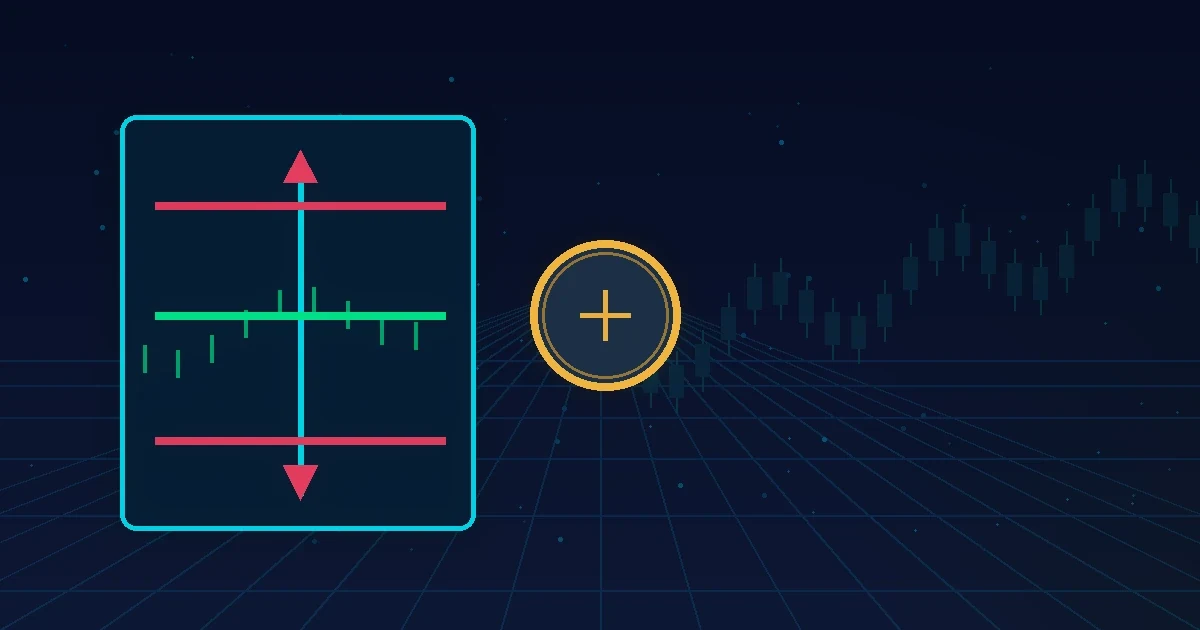
How to Calculate the Liquidation Price of a Position
A simplified formula to estimate the liquidation price of a long and a short on isolated margin, with a numerical example and things to watch for.
3 min read
This content is for information only and is not investment advice. Trading crypto derivatives involves a high risk, including the total loss of your capital. Past results do not guarantee future results, and the figures mentioned are examples. Before trading, check whether trading crypto derivatives is allowed in your country and what your tax obligations are. Assess whether the product suits your profile before investing.